Discover the Top Best Diet for Fatty Liver Disease
Receiving a diagnosis regarding your metabolic health can feel overwhelming. However, making simple changes to your daily habits often leads to significant improvements. Finding the best diet for fatty liver is a powerful step toward reclaiming your vitality and supporting your body’s natural healing processes.

Adopting a nutritious approach to eating does not mean you must sacrifice flavor or satisfaction. By focusing on whole, unprocessed foods, you provide your system with the essential nutrients it craves. A healthy diet for fatty liver serves as the foundation for long-term wellness and helps reduce inflammation effectively.
We are here to guide you through these transitions with ease. Let’s explore how mindful choices can transform your well-being and help you feel your absolute best every single day.
Key Takeaways
- Nutrition plays a critical role in reversing metabolic damage.
- Focusing on whole foods reduces inflammation in the body.
- Small, consistent changes lead to sustainable health outcomes.
- Prioritizing fiber and lean proteins supports organ function.
- Consulting with a professional ensures a personalized approach.
Understanding the Basics of Fatty Liver Disease
As the incidence of fatty liver disease continues to grow, it’s vital to understand what happens to your liver and how nutrition plays a role. Fatty liver disease is characterized by an accumulation of excess fat in the liver cells, which can lead to inflammation and damage over time. This condition is often associated with metabolic syndrome, obesity, and insulin resistance.
What Happens to Your Liver
In a healthy liver, fat accumulation is normal, but when it exceeds 5% of the liver’s weight, it’s considered fatty liver disease. This excess fat can cause liver inflammation and damage, potentially leading to scarring and cirrhosis if left unchecked. The liver plays a crucial role in metabolism, detoxification, and the production of vital proteins, making its health paramount.
The progression of fatty liver disease can be influenced by various factors, including genetics, diet, and lifestyle. Understanding these factors is key to managing the condition effectively.
The Role of Nutrition in Liver Health
Nutrition plays a pivotal role in maintaining liver health and managing fatty liver disease. A diet rich in antioxidants, fiber, and healthy fats can help reduce liver inflammation and promote overall well-being. Foods that are beneficial for the liver include leafy greens, berries, and fatty fish, which are rich in omega-3 fatty acids.
A well-balanced diet can help mitigate the risks associated with fatty liver disease. It’s not just about cutting out harmful foods but also about incorporating nutrient-dense foods that support liver health. By making informed dietary choices, individuals can take a proactive approach to managing their condition and improving their overall health.
The Best Diet for Fatty Liver Management
The key to managing fatty liver disease lies in understanding the best diet for fatty liver management. A well-structured diet plan can significantly impact liver health and overall well-being.
“A healthy diet is the cornerstone of fatty liver disease management,” says a study published in a reputable medical journal. It emphasizes the importance of dietary changes in treating and managing the condition.
Core Principles of the Mediterranean Approach
The Mediterranean diet is often cited as one of the best diets for fatty liver due to its balanced and nutrient-rich composition. It focuses on:
- High consumption of fruits, vegetables, and whole grains
- Inclusion of healthy fats, such as those found in olive oil
- Moderate consumption of dairy products, fish, and poultry
- Low intake of red meats and processed foods
This dietary approach not only aids in managing fatty liver but also contributes to overall health improvement.
Why Caloric Balance Matters
Maintaining a caloric balance is crucial for individuals with fatty liver disease. Consuming more calories than the body needs can lead to weight gain and increased liver fat.
A study highlighted that a reduction in caloric intake can lead to significant improvements in liver health. It is essential to be mindful of portion sizes and overall caloric consumption.
By combining the Mediterranean diet’s principles with a balanced caloric intake, individuals can develop an effective fatty liver treatment diet. This approach, coupled with diet tips for fatty liver from healthcare professionals, can lead to better management of the condition.
Essential Foods to Eat for Fatty Liver
Eating the right foods can play a pivotal role in managing and potentially reversing fatty liver disease. A diet rich in specific nutrients can help alleviate liver inflammation and promote overall liver health. The key is to focus on whole, nutrient-dense foods that provide the necessary building blocks for liver repair and maintenance.
The Power of Leafy Greens and Cruciferous Vegetables
Leafy greens such as spinach, kale, and collard greens are rich in antioxidants and fiber, which can help reduce liver inflammation. Cruciferous vegetables like broccoli, cauliflower, and Brussels sprouts contain compounds that support liver detoxification processes.
These vegetables are not only rich in vitamins and minerals but also contain phytochemicals that have been shown to have protective effects on the liver. Incorporating a variety of leafy greens and cruciferous vegetables into your diet can be as simple as adding them to salads, smoothies, or sautéing them as a side dish.
Healthy Fats and Omega-3 Fatty Acids
Healthy fats, particularly omega-3 fatty acids found in fatty fish like salmon, sardines, and mackerel, play a crucial role in reducing inflammation in the body, including the liver. Nuts and seeds, such as walnuts and chia seeds, are also rich in healthy fats and antioxidants.
Omega-3 fatty acids have been shown to improve liver fat metabolism and reduce liver inflammation. Including sources of healthy fats in your diet can be achieved by snacking on nuts, adding chia seeds to your meals, or consuming fatty fish at least twice a week.
Lean Proteins for Liver Repair
Lean proteins are essential for liver health as they provide the necessary amino acids for liver repair and maintenance. Foods rich in lean protein include poultry, fish, beans, lentils, and low-fat dairy products.
A diet adequate in protein can help support the liver’s natural detoxification processes and overall function. It’s recommended to include a source of lean protein at every meal to support liver health and overall well-being.
| Food Category | Examples | Benefits |
|---|---|---|
| Leafy Greens and Cruciferous Vegetables | Spinach, Kale, Broccoli, Cauliflower | Rich in antioxidants, fiber, and phytochemicals that support liver health and detoxification. |
| Healthy Fats and Omega-3 Fatty Acids | Salmon, Sardines, Walnuts, Chia Seeds | Reduce inflammation, improve liver fat metabolism. |
| Lean Proteins | Poultry, Fish, Beans, Lentils, Low-fat Dairy | Provide amino acids necessary for liver repair and maintenance. |
Foods to Avoid for Fatty Liver
Understanding which foods to avoid is vital for individuals dealing with fatty liver disease. The right dietary choices can significantly impact the management and progression of the condition. Certain foods can exacerbate fatty liver by promoting inflammation, fat accumulation, and liver damage.
Dangers of Added Sugars and Fructose
Consuming high amounts of added sugars and fructose can be particularly harmful for individuals with fatty liver. These sugars are commonly found in sweetened beverages, baked goods, and processed snacks. Fructose, in particular, is metabolized primarily in the liver, where it can contribute to fat accumulation and insulin resistance.
- Sugary drinks like soda and sports drinks
- Baked goods and desserts high in sugar
- Processed foods with added sugars
Refined Carbohydrates and Their Impact
Refined carbohydrates, such as those found in white bread and pasta, can also negatively impact liver health. These foods cause a spike in blood sugar and insulin levels, potentially worsening fatty liver. Choosing whole grains over refined carbohydrates can help mitigate this effect.
- White bread and refined grains
- Processed snacks like chips and crackers
- Refined pasta and instant rice
Trans Fats and Saturated Fat Risks
Trans fats and saturated fats are known to contribute to fat accumulation in the liver and increase the risk of liver damage. Avoiding foods high in these unhealthy fats is crucial for managing fatty liver disease.
- Processed and packaged foods
- Partially hydrogenated oils
- High-fat dairy products and fatty meats
The Role of Hydration and Beverages
Staying hydrated is crucial for maintaining liver health, and the beverages we choose play a significant role in this process. Adequate hydration helps the liver function properly, flushing out toxins and supporting overall metabolic health.
When it comes to beverages, some can have a positive impact on liver health, while others can exacerbate liver damage. Understanding the effects of different drinks can help individuals with fatty liver disease make informed choices.
Coffee and Its Protective Effects
Coffee has been shown to have protective effects on the liver. Studies have found that moderate coffee consumption can lower liver enzyme levels and reduce the risk of liver disease progression. The antioxidants present in coffee are believed to contribute to its beneficial effects.
Key benefits of moderate coffee consumption for liver health include:
- Antioxidant properties that help reduce liver inflammation
- Potential to improve liver enzyme levels
- Possible reduction in the risk of liver fibrosis
However, it’s essential to consume coffee in moderation, as excessive intake can have negative effects. The ideal amount of coffee consumption varies among individuals, but generally, 2-3 cups per day is considered moderate.
Water vs. Sugary Drinks
Water is the best beverage choice for hydration, as it has zero calories and doesn’t contain added sugars or artificial sweeteners. Sugary drinks, on the other hand, can have detrimental effects on liver health, contributing to fatty liver disease progression.
Sugary drinks to limit or avoid include:
- Soda
- Fruit juices with added sugars
- Sports drinks
- Energy drinks
Replacing sugary beverages with water can significantly improve overall health and support liver function. Aim to drink at least 8 cups (64 ounces) of water per day, adjusting according to individual needs and activity levels.
In conclusion, staying hydrated with the right beverages is a critical aspect of managing fatty liver disease. By choosing water and moderate amounts of coffee, individuals can support their liver health and overall well-being.
Practical Fatty Liver Diet Plan Strategies
To successfully manage fatty liver, it’s essential to adopt a diet plan that incorporates meal prepping and portion control. A well-structured diet plan can help in reducing liver fat and improving overall health.
Meal Prepping for Success
Meal prepping is a powerful tool for maintaining a consistent and healthy diet. By preparing meals in advance, individuals can avoid last-minute, unhealthy food choices. Here are some tips for effective meal prepping:
- Plan your meals for the week ahead of time.
- Make a grocery list based on your meal plan.
- Prepare ingredients in bulk to save time.
- Store meals in containers for easy access.
Benefits of Meal Prepping:
| Benefit | Description |
|---|---|
| Saves Time | Reduces daily cooking time by preparing meals in advance. |
| Promotes Healthy Eating | Ensures that healthy meals are readily available. |
| Reduces Stress | Minimizes the stress of deciding what to eat each day. |
Portion Control Techniques
Portion control is crucial for maintaining a healthy diet and managing fatty liver disease. It involves eating the right amount of food to support your nutritional needs without overeating. Here are some techniques for effective portion control:
Using Smaller Plates: Smaller plates can help in reducing the amount of food served, making it easier to control portions.

- Measure your food using a food scale or measuring cups.
- Be mindful of serving sizes listed on food labels.
- Avoid eating directly from large containers or bags.
By incorporating meal prepping and portion control into your diet plan, you can make significant strides in managing fatty liver disease and improving your overall health.
Natural Remedies and Supplements for Liver Support
Some natural remedies and supplements have shown promise in supporting liver function and overall health in individuals with fatty liver disease. While dietary changes are foundational, additional support from certain natural supplements can be beneficial.
Research into the effects of various supplements on liver health has highlighted a few key ingredients that may offer protective benefits. Two of the most studied supplements are milk thistle and vitamin E.
The Potential of Milk Thistle
Milk thistle, known for its active ingredient silymarin, has been used for centuries to support liver health. Silymarin is believed to have antioxidant properties that can help protect liver cells from damage.
Studies on milk thistle have shown mixed results, but some indicate that it may help reduce liver inflammation and improve liver function in individuals with fatty liver disease.
Vitamin E and Antioxidant Benefits
Vitamin E is another supplement that has been studied for its potential benefits in managing fatty liver disease. As an antioxidant, vitamin E helps combat oxidative stress, which is thought to play a role in the progression of liver damage.
Some research suggests that vitamin E supplementation can lead to improvements in liver health by reducing liver fat and inflammation.
| Supplement | Potential Benefits | Key Considerations |
|---|---|---|
| Milk Thistle | Antioxidant properties, may reduce liver inflammation | Quality of supplement can vary, consult a healthcare provider |
| Vitamin E | Antioxidant benefits, may improve liver health | High doses can have adverse effects, balance is key |
It’s essential to consult with a healthcare provider before adding any supplements to your regimen, as they can interact with medications or have adverse effects at high doses.
Lifestyle Changes That Complement Your Diet
Beyond dietary changes, other lifestyle modifications play a significant role in fatty liver management. Adopting a comprehensive approach to health can significantly impact the effectiveness of fatty liver treatment diet and overall well-being.
Regular physical activity and weight management are crucial components of a healthy lifestyle that supports liver health. As emphasized by health experts, “A healthy lifestyle is the cornerstone of managing fatty liver disease.” Let’s explore how these lifestyle changes can complement a healthy liver diet.
The Importance of Regular Physical Activity
Engaging in regular physical activity is vital for individuals with fatty liver disease. Exercise not only aids in weight management but also improves insulin sensitivity and reduces liver fat. Aim for at least 150 minutes of moderate-intensity aerobic exercise, or 75 minutes of vigorous-intensity aerobic exercise, or a combination of both, per week.
Physical activity can range from brisk walking, cycling, swimming, to more intense workouts like running or high-intensity interval training (HIIT). The key is to find activities that you enjoy and can sustain in the long term. As noted by the American Heart Association, “Regular physical activity can help you maintain a healthy weight, reduce liver fat, and improve overall health.”

Managing Weight for Long-Term Health
Managing weight is another critical aspect of fatty liver nutrition. Maintaining a healthy weight reduces the risk of liver damage and progression of fatty liver disease. Aiming for a gradual weight loss of 1-2 pounds per week is recommended for sustainability.
A healthy weight management plan involves a combination of a balanced diet, regular physical activity, and behavioral changes. It’s essential to work with a healthcare provider to develop a personalized plan that suits your needs and health status. As a study published in a reputable medical journal states, “Sustainable weight loss through lifestyle modification is associated with significant improvements in liver histology and metabolic parameters in patients with fatty liver disease.”
By incorporating regular physical activity and managing weight, individuals can significantly enhance the effectiveness of their healthy liver diet and improve their overall health outcomes.
Common Myths About Fatty Liver Nutrition
Navigating the complex world of fatty liver nutrition can be challenging due to the abundance of misinformation. With numerous diets and nutritional advice available, it’s easy to get caught up in myths and misconceptions that can hinder effective management of fatty liver disease.
Understanding the truth behind common myths is crucial for making informed decisions about your diet and lifestyle. By debunking these myths, individuals can better navigate the path to a healthier liver.
Debunking Fad Diets
Fad diets often promise quick fixes, but when it comes to managing fatty liver disease, sustainable, long-term dietary changes are more effective. Diets that drastically cut out entire food groups or promise rapid weight loss may not provide the balanced nutrition your liver needs.
Instead of jumping on the latest diet trend, focus on incorporating fatty liver foods to eat into your diet, such as leafy greens, fatty fish, and whole grains. These foods support liver health and overall well-being.
Addressing Misconceptions About Fruit Consumption
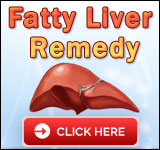
There’s a common misconception that fruit is too high in sugar for individuals with fatty liver disease. While it’s true that some fruits are higher in natural sugars, they also provide essential nutrients, fiber, and antioxidants that can support liver health.
The key is to consume fruit in moderation and choose varieties that are low in fructose, such as berries. Additionally, being mindful of portion sizes and overall dietary balance is crucial. It’s also important to be aware of foods to avoid for fatty liver, such as those high in added sugars and unhealthy fats.
By making informed choices and following diet tips for fatty liver, individuals can effectively manage their condition and improve their overall health.
Tips for Staying Consistent with Your Healthy Liver Diet
Staying on track with your best diet for fatty liver can be challenging, but with the right tips, it’s achievable. Consistency is crucial for managing fatty liver disease effectively. A well-structured fatty liver diet plan not only helps in improving liver health but also contributes to overall well-being.
Overcoming Social Eating Challenges
Social gatherings and eating out can be significant challenges when following a healthy diet for fatty liver. However, with some planning and strategy, you can stay on track.
- Plan ahead: Before attending a social gathering, eat a healthy meal or snack to avoid overeating.
- Choose wisely: Opt for dishes that are grilled, baked, or steamed, and avoid those that are fried.
- Communicate: Inform your host or the restaurant about your dietary preferences and restrictions.
Tracking Progress and Staying Motivated
Tracking your progress is essential for staying motivated on your best diet for fatty liver journey. Here are some effective ways to monitor your progress and maintain your motivation.
| Method | Description | Benefits |
|---|---|---|
| Food Diary | Record your daily food intake and note any changes in your health. | Helps identify patterns and makes you more mindful of your eating habits. |
| Regular Check-Ups | Schedule regular appointments with your healthcare provider. | Provides professional feedback and adjustments to your diet plan as needed. |
| Support Groups | Join a community of individuals with similar health goals. | Offers encouragement, tips, and a sense of belonging. |
By incorporating these strategies into your lifestyle, you can maintain consistency with your fatty liver diet plan and achieve long-term health benefits.
Conclusion
Effective management of fatty liver disease is significantly influenced by adopting a healthy liver diet and making informed lifestyle choices. By focusing on fatty liver nutrition and incorporating the best foods for liver health, individuals can take proactive steps towards improving their overall liver health.
A healthy liver diet rich in essential nutrients, such as those found in leafy greens, lean proteins, and healthy fats, plays a crucial role in supporting liver function. Combining this diet with regular physical activity and maintaining a healthy weight can further enhance liver health.
By understanding the principles of a healthy liver diet and making sustainable lifestyle changes, individuals can better manage fatty liver disease and reduce the risk of associated complications. Embracing these changes can lead to significant improvements in overall health and well-being.
FAQ
What is considered the best diet for fatty liver disease management?
Most medical professionals and organizations, such as the American Liver Foundation, suggest that the Mediterranean diet is the best diet for fatty liver. This approach emphasizes whole foods, healthy fats like extra virgin olive oil, and plenty of leafy greens, which helps reduce liver fat and inflammation naturally.
Can you suggest a simple fatty liver diet plan for beginners?
A great fatty liver diet plan starts with replacing refined carbohydrates with fiber-rich grains like oats or quinoa. Focus on fatty liver foods to eat such as salmon for Omega-3s, walnuts, and cruciferous vegetables like broccoli. Keeping a consistent meal schedule and practicing portion control are essential components of fatty liver nutrition.
What are the most important foods to avoid for fatty liver recovery?
When identifying foods to avoid for fatty liver, the top culprits are added sugars (especially high-fructose corn syrup), trans fats, and processed meats. Avoiding sugary sodas and snacks from brands like Pepsi or Little Debbie can significantly reduce the metabolic strain on your liver, making your fatty liver treatment diet much more effective.
Are there any specific foods that help fatty liver heal faster?
Yes! Foods that help fatty liver include those high in antioxidants. Coffee has shown protective effects in numerous studies, as have green tea and garlic. Incorporating these into a healthy diet for fatty liver can support the organ’s ability to repair itself and reduce enzyme levels.
What are some effective natural remedies for fatty liver?
Beyond dietary changes, natural remedies for fatty liver include supplements like Milk Thistle and Vitamin E, which provide antioxidant support. However, these fatty liver remedies work best when combined with regular physical activity and weight management to improve insulin sensitivity.
Do you have any practical diet tips for fatty liver when eating out?
One of the best diet tips for fatty liver is to look for “Mediterranean” or “Whole30” friendly options at restaurants. If you are at a place like Chipotle, opt for a salad bowl with extra fajita veggies and beans instead of a burrito with white rice and cheese. Prioritizing best foods for liver health while dining out ensures you maintain your progress.
Why is hydration so important in a healthy liver diet?
Maintaining a healthy liver diet requires flushing toxins and supporting metabolic processes through proper hydration. Choosing water over sugary “sports drinks” or “fruit juices” prevents fructose overload, which is a major contributor to fat accumulation in liver cells.
Is fruit consumption allowed in a fatty liver nutrition plan?
Absolutely! A common myth is that you must avoid all fruit due to sugar. However, in a balanced fatty liver nutrition strategy, whole fruits like blueberries and raspberries are encouraged because they contain fiber and antioxidants that actually help the liver, unlike the concentrated sugars found in processed sweets.
How does weight loss impact a fatty liver treatment diet?
Weight loss is often the cornerstone of a fatty liver treatment diet. Losing even 5% to 10% of your body weight through a healthy diet for fatty liver and exercise can drastically reduce liver fat and even reverse some stages of fibrosis.