Fatty Liver Natural Treatment At Home Proven Remedies to Treat
Discovering you have excess fat buildup in your organ can feel overwhelming. However, empowering yourself with simple lifestyle adjustments often yields incredible results. Many people find that consistent habits provide a path toward better wellness without needing complex medical interventions.

Exploring home remedies for fatty liver allows you to take control of your health journey. By focusing on wholesome nutrition and movement, you can support your body’s recovery process effectively. These natural ways to treat fatty liver are designed to be sustainable and easy to integrate into your daily routine.
Key Takeaways
- Prioritize whole foods to reduce inflammation.
- Regular physical activity boosts metabolic function.
- Hydration plays a vital role in detoxification.
- Consistency is the secret to long-term success.
- Consulting a professional ensures your plan is safe.
Understanding the Basics of Fatty Liver Disease
Understanding the basics of fatty liver disease is the first step towards reversing it naturally. Fatty liver disease occurs when excess fat builds up in the liver, impairing its function. This condition can progress silently, often without noticeable symptoms until it reaches an advanced stage.
To effectively manage fatty liver, it’s essential to comprehend its underlying causes and types. The liver plays a vital role in metabolism, detoxification, and energy production. When it becomes overwhelmed with fat, its ability to perform these functions is compromised.
What Causes Liver Fat Accumulation
Liver fat accumulation can result from various factors, including poor diet, lack of physical activity, and genetic predisposition. Consuming high amounts of saturated fats, sugars, and refined carbohydrates can lead to insulin resistance, a key driver of fatty liver disease.
Additionally, excessive alcohol consumption can cause alcoholic fatty liver disease, while non-alcoholic fatty liver disease (NAFLD) is associated with metabolic syndrome, obesity, and other health conditions. Understanding these causes is crucial for developing tips for managing fatty liver effectively.
The Difference Between Alcoholic and Non-Alcoholic Fatty Liver
Fatty liver disease is broadly categorized into two types: alcoholic fatty liver disease (AFLD) and non-alcoholic fatty liver disease (NAFLD). AFLD is directly linked to excessive alcohol consumption, which damages liver cells and leads to fat accumulation.
NAFLD, on the other hand, occurs in individuals who consume little or no alcohol. It is often associated with obesity, insulin resistance, and metabolic syndrome. Adopting a holistic approach to fatty liver involves addressing these underlying factors through lifestyle changes and dietary modifications.
By understanding the differences between AFLD and NAFLD, individuals can better tailor their approach to managing the condition and improving liver health.
Effective Fatty Liver Natural Treatment at Home
Treating fatty liver disease naturally at home is achievable through a multifaceted strategy that includes sustainable lifestyle modifications. This approach not only helps in reducing liver fat but also improves overall health.
The Role of Sustainable Weight Management
Sustainable weight management is crucial in treating fatty liver disease. It involves a combination of dietary changes, increased physical activity, and other lifestyle adjustments.
Gradual weight loss is recommended as it is more likely to be maintained over time.
Why Gradual Weight Loss is Safer for Your Liver
Crash diets and rapid weight loss can have adverse effects on the liver.
Gradual weight loss, on the other hand, is safer and more effective in the long run. It allows the liver to adjust and recover without additional stress.
Best Foods for Fatty Liver Recovery
The journey to fatty liver recovery is significantly influenced by the foods we eat. A diet rich in nutrients can support liver health and aid in the recovery process.
Incorporating Healthy Fats and Omega-3s
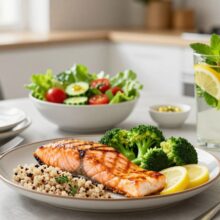
Healthy fats, particularly omega-3 fatty acids, play a crucial role in reducing liver inflammation. Foods rich in omega-3s include fatty fish like salmon and sardines. Other sources are nuts and seeds, such as walnuts and chia seeds.
- Fatty fish (salmon, sardines)
- Nuts and seeds (walnuts, chia seeds)
The Importance of High-Fiber Whole Grains
High-fiber whole grains are essential for promoting digestive health and supporting the liver’s natural detoxification processes. Examples include brown rice, quinoa, and whole-wheat bread.
Vegetables and Fruits That Support Liver Detoxification
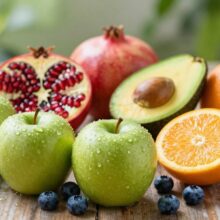
Certain vegetables and fruits are known to support liver health. These include leafy greens like spinach and kale, as well as citrus fruits like oranges and lemons.
Some of the key vegetables and fruits that can aid in liver detoxification are:
- Leafy greens (spinach, kale)
- Citrus fruits (oranges, lemons)
- Berries (blueberries, strawberries)
Lifestyle Changes for Fatty Liver Success
Fatty liver disease can be managed and potentially reversed through specific lifestyle adjustments. Adopting a healthier lifestyle is not just about dietary changes; it also involves incorporating regular physical activity and managing stress levels.
Physical Activity and Its Impact
Regular physical activity is a crucial component of a healthy lifestyle, especially for individuals with fatty liver disease. Exercise helps burn triglycerides, reduce liver fat, and improve insulin sensitivity. It’s recommended to engage in at least 150 minutes of moderate-intensity aerobic exercise, or 75 minutes of vigorous-intensity aerobic exercise, or a combination of both, per week.
Benefits of Regular Exercise for Fatty Liver:
- Reduces liver inflammation
- Improves insulin sensitivity
- Promotes weight loss
- Enhances overall metabolic health

Managing Stress to Reduce Liver Inflammation
Chronic stress can exacerbate fatty liver disease by promoting inflammation and worsening metabolic health. Effective stress management techniques are essential for reducing liver inflammation and improving overall well-being.
Stress Reduction Techniques:
| Technique | Description | Benefits |
|---|---|---|
| Meditation | Practice mindfulness and meditation to calm the mind | Reduces stress hormones, improves mental clarity |
| Yoga | Combine physical postures with deep breathing exercises | Enhances flexibility, reduces stress and anxiety |
| Deep Breathing | Focus on slow, deep breaths to calm the body | Lowers blood pressure, reduces stress |
By incorporating regular physical activity and effective stress management techniques into your daily routine, you can significantly improve your liver health and overall quality of life.
Natural Supplements for Fatty Liver Support
The use of natural supplements has gained attention for their potential in aiding fatty liver recovery. These supplements, when used alongside a healthy diet and lifestyle, can offer additional support for individuals managing fatty liver disease.
Several natural supplements have been studied for their potential benefits in supporting liver health. These include milk thistle, vitamin E, antioxidants, turmeric, and curcumin. Each of these supplements has unique properties that can contribute to overall liver well-being.
Milk Thistle and Its Protective Properties
Milk thistle, known for its active ingredient silymarin, has been used for centuries to support liver health. Silymarin has antioxidant and anti-inflammatory properties that can help protect liver cells from damage.
Research suggests that milk thistle may help reduce liver inflammation and promote the regeneration of liver cells. This makes it a popular supplement among individuals with fatty liver disease.
The Benefits of Vitamin E and Antioxidants
Vitamin E is an antioxidant that plays a crucial role in protecting cells from damage. Studies have shown that vitamin E supplementation can improve liver health in individuals with non-alcoholic fatty liver disease (NAFLD).
Antioxidants, in general, help reduce oxidative stress, which is associated with the progression of fatty liver disease. Including antioxidant-rich supplements in one’s regimen can be beneficial.
Turmeric and Curcumin for Reducing Liver Enzymes
Turmeric contains curcumin, a compound known for its anti-inflammatory and antioxidant properties. Curcumin has been shown to reduce liver enzymes and inflammation in individuals with fatty liver disease.
The potential of curcumin to modulate various pathways involved in liver disease makes it a valuable supplement for those looking to support their liver health naturally.
Herbs for Fatty Liver and Holistic Healing
A holistic approach to treating fatty liver involves exploring the potential of various herbs and natural extracts. This approach not only focuses on treating the liver but also on enhancing overall well-being. Herbal remedies have been a cornerstone of traditional medicine for centuries, offering a natural and often effective way to support liver health.
Dandelion Root for Liver Cleansing
Dandelion root is renowned for its liver-cleansing properties. It is rich in antioxidants and has been traditionally used to support liver function and promote detoxification. The active compounds in dandelion root may help stimulate digestion and improve the liver’s ability to flush out toxins.
Benefits of Dandelion Root:
- Enhances liver detoxification
- Supports healthy digestion
- Rich in antioxidants
Green Tea Extracts and Metabolic Health
Green tea extracts are another herbal remedy that has gained attention for their potential benefits in managing fatty liver disease. They are rich in catechins, which are antioxidants that may help improve metabolic health and reduce liver fat accumulation.
Key Benefits of Green Tea Extracts:
- Antioxidant properties
- May improve metabolic rate
- Supports weight management
Here’s a comparison of the herbs discussed:
| Herb | Primary Benefit | Key Compounds |
|---|---|---|
| Dandelion Root | Liver Cleansing | Antioxidants, Taraxasterol |
| Green Tea Extracts | Metabolic Health | Catechins, EGCG |
Incorporating these herbs into your diet can be a valuable part of a holistic approach to managing fatty liver disease. As with any treatment, it’s essential to consult with a healthcare professional before making significant changes.

Creating a Sustainable Fatty Liver Diet Plan
Developing a sustainable diet plan is crucial for managing fatty liver disease effectively. A well-designed diet can help reduce liver fat, inflammation, and damage. It’s not just about short-term changes but adopting a long-term healthy eating habit.
A fatty liver diet plan should focus on nutrient-dense foods that support liver health and overall well-being. This involves making informed choices about the foods you eat and avoiding those that can exacerbate the condition.
Foods to Avoid for Liver Health
Certain foods can worsen fatty liver disease by promoting inflammation, fat accumulation, and liver damage. It’s essential to limit or avoid:
- Sugary drinks and foods high in added sugars, which can lead to insulin resistance and increased fat in the liver.
- Refined carbohydrates, such as white bread and processed snacks, which can cause a spike in blood sugar and insulin levels.
- Foods high in saturated and trans fats, including fried foods and processed meats, which can contribute to weight gain and liver inflammation.
- High-sodium foods, which can lead to fluid retention and increased blood pressure.
As noted by a study published in the Journal of Clinical Gastroenterology, “Dietary patterns high in processed and fried foods, added sugars, and refined grains are associated with an increased risk of NAFLD.”
Hydration Strategies for Better Liver Function
Adequate hydration is vital for maintaining liver health and overall bodily functions. Water helps in detoxification processes and supports the liver in its role of metabolizing fats and toxins.
| Hydration Tip | Benefit |
|---|---|
| Drink at least 8 glasses of water a day | Supports liver detoxification and overall health |
| Include hydrating foods like cucumbers and watermelon | Contributes to daily water intake and provides essential nutrients |
| Avoid sugary drinks | Reduces the risk of insulin resistance and liver fat accumulation |
By focusing on whole, nutrient-dense foods and staying hydrated, individuals can create a sustainable diet plan that supports liver health and aids in the management of fatty liver disease.
DIY Fatty Liver Treatments at Home
Simple changes to your daily routine can make a significant difference in managing fatty liver disease naturally. Incorporating certain DIY treatments and home remedies can support liver health and overall well-being.
As Dr. Sarah Jarvis, a renowned health expert, notes, “Lifestyle modifications are crucial in the management of fatty liver disease.” This underscores the importance of adopting healthy habits at home.
Morning Rituals to Kickstart Metabolism
Starting your day with a healthy routine can boost your metabolism and support liver function. Drinking a glass of warm water with lemon juice is a simple yet effective way to kickstart your metabolism. The antioxidants in lemon can help stimulate liver function and aid in detoxification.
Incorporating physical activity into your morning routine, such as yoga or a brisk walk, can also enhance metabolic health. As noted by Harvard Health Publishing, “Regular physical activity can help reduce liver fat.”
- Drink warm water with lemon
- Engage in morning physical activity
- Eat a nutritious breakfast
Evening Habits That Promote Liver Repair
Establishing a relaxing evening routine can promote liver repair and overall health. Avoiding heavy meals close to bedtime and opting for a light, balanced dinner can support liver function during the night.
As
highlights the importance of adequate rest. Ensuring you get 7-8 hours of sleep per night can significantly aid in liver health.
- Avoid heavy meals before bedtime
- Practice relaxation techniques, such as meditation or deep breathing
- Get adequate sleep
Monitoring Your Progress and When to See a Doctor
Understanding how to monitor your fatty liver condition is vital for effective management and treatment. As you follow the natural remedies and lifestyle changes outlined in the previous sections, keeping track of your progress is crucial for making informed decisions about your health.
Tracking Liver Enzyme Improvements
Liver enzymes, such as alanine transaminase (ALT) and aspartate transaminase (AST), are key indicators of liver health. Elevated levels often signify liver damage or inflammation. Regular blood tests can help monitor changes in these enzyme levels, providing insight into the effectiveness of your fatty liver natural treatment at home.
To track improvements, consider the following steps:
- Schedule regular check-ups with your healthcare provider.
- Keep a log of your blood test results to monitor trends over time.
- Adjust your diet and exercise routine based on your progress and healthcare provider’s advice.
Recognizing Warning Signs That Require Medical Attention
While natural treatments can be effective, it’s essential to recognize when medical attention is necessary. Certain symptoms can indicate a worsening condition or complications. Be aware of the following warning signs:
- Severe abdominal pain or swelling.
- Yellowing of the skin or eyes (jaundice).
- Dark urine or pale stools.
- Unusual fatigue or weakness.
If you experience any of these symptoms, seek medical attention promptly. Early intervention can prevent further liver damage and improve outcomes in managing fatty liver disease.
By staying vigilant and working closely with your healthcare provider, you can effectively manage your condition and improve your overall health. Remember, reversing fatty liver naturally is a journey that requires patience, persistence, and the right guidance.
Conclusion
Reversing fatty liver disease requires a comprehensive approach that incorporates fatty liver natural treatment at home, dietary changes, and lifestyle modifications. By adopting a holistic approach to fatty liver, individuals can effectively manage and potentially reverse the condition.
By implementing the natural treatments and lifestyle changes discussed, such as sustainable weight management, incorporating healthy fats and omega-3s, and managing stress, individuals can support their liver health and overall well-being. This enables them to
reverse fatty liver naturally
and improve their quality of life.
Embracing a healthier lifestyle and making informed choices can significantly impact liver health. With persistence and the right guidance, it is possible to achieve a healthier liver and overall wellness.
FAQ
Is it actually possible to reverse fatty liver naturally?
Absolutely! In many cases, especially when caught in the early stages, you can reverse fatty liver naturally by focusing on weight management and nutrition. Adopting a holistic approach to fatty liver involves more than just a quick fix; it requires a commitment to lifestyle changes for fatty liver health, such as consistent exercise and a balanced fatty liver diet plan. Many people successfully reduce liver fat by following the guidelines provided by trusted organizations like the American Liver Foundation.
What is the most effective fatty liver natural treatment at home?
The most effective fatty liver natural treatment at home is a combination of gradual weight loss and the elimination of refined sugars. You can start with DIY fatty liver treatments at home by replacing sugary sodas, like Pepsi or Mountain Dew, with filtered water or green tea. These small home remedies for fatty liver help reduce the metabolic strain on your organ, allowing it to heal over time. Incorporating daily movement, such as a 30-minute walk, is one of the best natural ways to treat fatty liver.
What are the best foods for fatty liver recovery?
When building your grocery list, focus on the best foods for fatty liver which include leafy greens, cruciferous vegetables like broccoli, and healthy fats found in avocados. Reversing fatty liver naturally is much easier when you consume high-fiber grains, such as Bob’s Red Mill steel-cut oats, which help stabilize blood sugar. Additionally, fatty fish like salmon, rich in Omega-3 fatty acids, are essential fatty liver remedies that help lower inflammation levels.
Are there specific natural supplements for fatty liver that I should take?
Yes, several natural supplements for fatty liver have been backed by clinical research. Milk Thistle is perhaps the most well-known for its protective qualities, while Turmeric (curcumin) is excellent for reducing liver enzymes. If you are looking for high-quality herbs for fatty liver, brands like Nature’s Way or Garden of Life offer standardized extracts. Always pair these with a healthy fatty liver diet plan for the best results.
What are your top tips for managing fatty liver on a daily basis?
One of the most important tips for managing fatty liver is to stay hydrated and avoid processed “white” foods like white bread and pasta. Instead, focus on holistic healing by incorporating Dandelion root tea into your morning routine to support bile production. Another of the great home remedies for fatty liver is to practice portion control; using smaller plates can help you achieve the gradual weight loss necessary for reversing fatty liver naturally without putting extra stress on your system.
Can green tea really help with reversing fatty liver naturally?
Yes, green tea is a powerhouse for metabolic health. It contains antioxidants called catechins which have been shown to improve liver function and reduce fat accumulation. Incorporating Bigelow or Yogi green tea into your daily fatty liver diet plan is a simple yet effective fatty liver natural treatment at home. It serves as an excellent alternative to sugary energy drinks and is a staple in many natural ways to treat fatty liver.