How To Cure Fatty Liver Naturally Fast: Top Tips
Discovering you have excess fat in your organ can feel overwhelming, but you are not alone. Many people seek effective ways to improve their metabolic health through simple, daily habits. Learning how to cure fatty liver naturally fast is a journey toward better energy and long-term wellness.
You can take control of your health by focusing on sustainable lifestyle shifts. Implementing natural remedies for fatty liver often yields impressive results when combined with consistent physical activity. These changes support your body’s ability to heal itself from within.

This guide explores practical strategies for fatty liver treatment at home. We will walk through dietary adjustments and habits that promote recovery. By following these steps, you can feel empowered to reclaim your vitality and support your overall well-being starting today.
Key Takeaways
- Prioritize whole, unprocessed foods to reduce inflammation.
- Consistent exercise helps burn stored fat effectively.
- Hydration plays a vital role in metabolic function.
- Small, gradual lifestyle changes lead to lasting success.
- Consulting a healthcare professional ensures a safe recovery path.
Understanding the Mechanics of Fatty Liver Disease
Understanding fatty liver disease is the first step towards adopting effective ways to heal fatty liver naturally. Fatty liver disease is characterized by the accumulation of excess fat in liver cells, which can lead to liver inflammation and damage over time.
The liver is a vital organ responsible for various critical functions, including detoxification, protein synthesis, and the production of biochemicals necessary for digestion. Its role in metabolism is multifaceted, involving the processing of nutrients from food, regulating energy metabolism, and storing glycogen.
The Role of the Liver in Metabolism
The liver’s metabolic functions are crucial for maintaining overall health. It metabolizes carbohydrates, fats, and proteins, ensuring that the body receives the necessary energy and nutrients. When the liver is healthy, it efficiently processes these nutrients. However, when it becomes diseased, its ability to perform these functions is compromised.
A key aspect of the liver’s role in metabolism is its involvement in lipid metabolism. It packages excess fat into lipoproteins, which are then transported to other parts of the body. In fatty liver disease, this process is disrupted, leading to fat accumulation within the liver.
Differentiating Between Alcoholic and Non-Alcoholic Fatty Liver
Fatty liver disease can be broadly categorized into two types: Alcoholic Fatty Liver Disease (AFLD) and Non-Alcoholic Fatty Liver Disease (NAFLD). AFLD is directly related to excessive alcohol consumption, which damages liver cells and leads to fat accumulation.
NAFLD, on the other hand, occurs in individuals who consume little or no alcohol. It is often associated with metabolic syndrome, a cluster of conditions that increase the risk of heart disease, stroke, and diabetes. Understanding the differences between AFLD and NAFLD is crucial for developing a holistic approach to reverse fatty liver disease.
Why Early Intervention is Critical for Reversal
Early intervention is vital in managing and potentially reversing fatty liver disease. When detected early, lifestyle modifications and natural remedies can significantly improve liver health. Delaying treatment can lead to the progression of the disease to more severe stages, such as steatohepatitis, fibrosis, and cirrhosis.
By understanding the mechanics of fatty liver disease and adopting a proactive approach, individuals can take the first steps towards healing their liver naturally. This involves a combination of dietary changes, lifestyle modifications, and, in some cases, natural remedies that support liver health.
How to Cure Fatty Liver Naturally Fast Through Dietary Shifts
Dietary shifts play a significant role in managing and reversing fatty liver disease. By making informed food choices, individuals can significantly improve their liver health and overall well-being. A diet rich in nutrients and low in harmful substances can help repair liver damage and promote a healthy metabolism.
Prioritizing Whole Foods Over Processed Alternatives
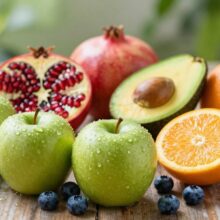
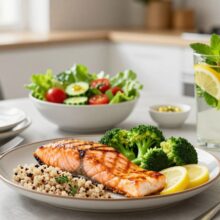
Focusing on whole foods is a critical step in curing fatty liver naturally. Whole foods such as vegetables, fruits, lean proteins, and whole grains are rich in essential nutrients, fiber, and antioxidants that support liver health. In contrast, processed foods often contain unhealthy fats, added sugars, and artificial additives that can exacerbate liver damage.
Key whole foods to include:
- Leafy greens like spinach and kale
- Berries and other antioxidant-rich fruits
- Lean proteins such as chicken, fish, and tofu
- Whole grains like brown rice, quinoa, and whole-wheat bread
The Impact of Reducing Refined Sugars and Fructose
Reducing the intake of refined sugars and fructose is crucial for managing fatty liver disease. Consuming high amounts of these sugars can lead to increased fat accumulation in the liver, inflammation, and insulin resistance. By limiting sugary drinks, baked goods, and processed snacks, individuals can significantly reduce their risk of worsening fatty liver disease.
Tips for reduction:
- Read food labels to identify hidden sugars
- Choose natural sources of sweetness like fruits
- Gradually reduce sugar intake to adjust taste preferences
Incorporating Healthy Fats for Liver Repair
Incorporating healthy fats into the diet is essential for liver repair and overall health. Healthy fats, particularly omega-3 fatty acids found in fatty fish, nuts, and seeds, help reduce inflammation and promote healing in the liver. They also support the absorption of fat-soluble vitamins and contribute to a feeling of fullness, aiding in weight management.
Sources of healthy fats:
- Fatty fish like salmon and sardines
- Nuts and seeds such as walnuts, chia seeds, and flaxseeds
- Avocados and olive oil
Essential Foods to Avoid for Liver Health
A critical step in managing fatty liver is understanding which foods to avoid for optimal liver health. The liver is a resilient organ, but it can be significantly impacted by dietary choices. Certain foods can exacerbate fatty liver disease, making it harder for the liver to function properly.
Avoiding harmful foods is just as important as incorporating beneficial ones when it comes to managing fatty liver disease. By eliminating or reducing certain foods from your diet, you can help your liver recover and improve overall health.
Eliminating Trans Fats and Hydrogenated Oils
Trans fats and hydrogenated oils are detrimental to liver health. These substances are often found in processed and packaged foods, such as baked goods, fried foods, and snack items. They can increase inflammation and worsen liver conditions. Checking food labels for terms like “partially hydrogenated” can help you avoid these harmful fats.
Reducing High-Glycemic Carbohydrates
High-glycemic carbohydrates can cause a spike in blood sugar levels, leading to increased insulin resistance, a key factor in the development and progression of fatty liver disease. Foods like white bread, sugary cereals, and certain fruits (like tropical fruits) have a high glycemic index. Opting for whole, unprocessed foods can help reduce the intake of high-glycemic carbs.
Limiting Alcohol Consumption for Optimal Recovery
Alcohol consumption is a significant risk factor for liver disease, including fatty liver. Limiting or completely avoiding alcohol is often recommended for individuals with fatty liver disease. Alcohol can cause liver inflammation and damage, hindering the recovery process. For those who find it challenging to cut down on alcohol, seeking support from healthcare professionals or support groups can be beneficial.
By making informed dietary choices and avoiding harmful substances, individuals can take a significant step towards managing and potentially reversing fatty liver disease. It’s about creating a balanced diet that supports liver health and overall well-being.
Powerful Natural Remedies and Herbs for Fatty Liver
The use of natural remedies and herbs has been a longstanding practice in supporting liver health and potentially reversing fatty liver conditions. These natural approaches can complement conventional treatments and lifestyle changes, offering a holistic path to recovery.
Several herbs have been studied for their potential benefits in managing fatty liver disease. The following sections will explore some of the most promising natural remedies.
Milk Thistle and Its Protective Properties
Milk thistle, known scientifically as Silybum marianum, is one of the most widely recognized herbs for liver health. Its active compound, silymarin, is believed to have antioxidant and anti-inflammatory properties that can protect liver cells from damage.
Key benefits of milk thistle include:
- Antioxidant effects that help reduce oxidative stress
- Anti-inflammatory properties that may reduce liver inflammation
- Potential to regenerate liver cells
The Benefits of Turmeric and Curcumin
Turmeric, a spice commonly found in curry powder, contains a compound called curcumin, which has potent anti-inflammatory and antioxidant properties. Curcumin has been studied for its potential to improve liver health by reducing inflammation and promoting the regeneration of liver cells.
The advantages of turmeric and curcumin for fatty liver include:
- Reducing liver inflammation and oxidative stress
- Improving insulin sensitivity, which can help manage metabolic syndrome
- Enhancing the body’s natural detoxification processes
Dandelion Root for Detoxification Support
Dandelion root has been used in traditional medicine for its potential to support liver and digestive health. It is believed to aid in detoxification by promoting the elimination of toxins from the body.
Dandelion root may offer several benefits for liver health, including:
- Supporting the liver’s natural detoxification processes
- Aiding in the digestion and absorption of nutrients
- Providing antioxidant protection against cell damage
Effective Exercise Strategies for Reversing Fatty Liver
Exercise plays a crucial role in managing and reversing fatty liver disease. Regular physical activity not only burns fat but also improves insulin sensitivity, reduces inflammation, and enhances overall metabolic health.
To effectively reverse fatty liver, it’s essential to incorporate a mix of aerobic activity, strength training, and flexibility exercises into your routine. Here’s a breakdown of how different types of exercises can benefit liver health.
The Importance of Aerobic Activity for Fat Oxidation
Aerobic exercises, such as walking, jogging, cycling, and swimming, are excellent for enhancing fat oxidation. These activities increase the body’s energy expenditure, helping to burn excess fat in the liver and throughout the body.
Aerobic exercise benefits:
- Enhances fat burning
- Improves cardiovascular health
- Boosts metabolism
For optimal results, aim for at least 150 minutes of moderate-intensity aerobic exercise per week. You can break this down into 30 minutes per day, five days a week.
Strength Training to Improve Insulin Sensitivity
Strength training is another critical component of an effective exercise plan for reversing fatty liver. By building muscle mass, strength training improves insulin sensitivity, reducing the risk of developing insulin resistance and type 2 diabetes.
Strength training benefits:
- Builds muscle mass
- Enhances insulin sensitivity
- Supports bone health
Aim to incorporate strength training exercises into your routine at least two times per week, targeting all major muscle groups.
Creating a Sustainable Weekly Movement Routine
Creating a sustainable exercise routine is key to long-term success in reversing fatty liver disease. It’s essential to find activities you enjoy and that fit into your lifestyle.
Here’s an example of a weekly exercise plan:
| Day | Activity | Duration |
|---|---|---|
| Monday | Aerobic Exercise (Brisk Walking) | 30 minutes |
| Tuesday | Strength Training (Upper Body) | 45 minutes |
| Wednesday | Rest or Light Yoga | 30 minutes |
| Thursday | Aerobic Exercise (Cycling) | 30 minutes |
| Friday | Strength Training (Lower Body) | 45 minutes |
| Saturday | Aerobic Exercise (Swimming) | 30 minutes |
| Sunday | Rest or Light Stretching | 30 minutes |
By combining aerobic activity, strength training, and flexibility exercises, you can create a well-rounded exercise routine that supports liver health and overall well-being.
Lifestyle Changes for Fatty Liver Management
Transforming your lifestyle can be a powerful step towards healing and managing fatty liver disease. Effective management involves a multi-faceted approach that incorporates dietary changes, exercise, and other lifestyle modifications.
Prioritizing Quality Sleep for Metabolic Health
Quality sleep is essential for overall metabolic health, including the management of fatty liver disease. Poor sleep quality can disrupt metabolic processes, leading to increased inflammation and insulin resistance.
To improve sleep quality, establish a consistent sleep schedule and create a sleep-conducive environment. Avoid caffeine and electronic devices before bedtime, and consider relaxation techniques such as meditation or deep breathing exercises.
Managing Chronic Stress to Lower Cortisol Levels
Chronic stress can have a detrimental impact on liver health by increasing cortisol levels, which can contribute to fat accumulation in the liver. Engaging in stress-reducing activities can help mitigate this effect.
Some effective stress management techniques include yoga, mindfulness meditation, and deep breathing exercises. Regular physical activity can also help reduce stress levels and improve overall well-being.
The Role of Intermittent Fasting in Liver Healing
Intermittent fasting has been shown to have potential benefits for liver health, including improved insulin sensitivity and reduced liver fat. There are various methods of intermittent fasting, and individuals can choose the approach that best suits their lifestyle.
A common method involves alternating between periods of eating and fasting, such as the 16:8 method, where one fasts for 16 hours and eats within an 8-hour window. It’s essential to consult with a healthcare professional before starting any fasting regimen.
| Lifestyle Change | Benefits for Fatty Liver |
|---|---|
| Quality Sleep | Improves metabolic health, reduces inflammation |
| Managing Chronic Stress | Lowers cortisol levels, reduces liver fat accumulation |
| Intermittent Fasting | Improves insulin sensitivity, reduces liver fat |

Hydration and Its Role in Liver Detoxification
Hydration is a key factor in liver health, influencing its ability to detoxify the body effectively. The liver plays a crucial role in metabolism and the elimination of toxins, and adequate hydration supports these functions.
Why Water Intake Matters for Metabolic Function
Water is essential for maintaining the liver’s metabolic functions. It helps in the breakdown and processing of nutrients and aids in the transportation of these nutrients to other parts of the body. Adequate water intake ensures that the liver can perform its detoxification role efficiently.
Here are some key reasons why water intake is crucial:
- Enhances metabolic rate
- Supports the liver’s natural detox processes
- Aids in the digestion and absorption of nutrients
The Benefits of Green Tea and Coffee for Liver Enzymes
Besides water, certain beverages like green tea and coffee have been shown to have beneficial effects on liver health. Green tea, rich in antioxidants, can help protect the liver from damage, while coffee has been linked to improved liver enzyme levels.
The benefits of green tea and coffee include:
- Antioxidant properties that protect liver cells
- Potential to improve liver enzyme levels
- Support for overall liver health
Avoiding Sugary Beverages and Energy Drinks
While some beverages can support liver health, others can be harmful. Sugary beverages and energy drinks are high in fructose and other harmful ingredients that can exacerbate fatty liver disease and hinder liver function.
To support liver health, it is advisable to:
- Limit or avoid sugary drinks
- Choose water or low-calorie beverages instead
- Be mindful of the ingredients in energy drinks
Monitoring Progress and Working with Healthcare Professionals
Working closely with healthcare professionals and monitoring your progress are essential steps in naturally curing fatty liver. As you make dietary changes and incorporate natural remedies, it’s vital to track how your body responds to these interventions.
Liver Function Tests and Blood Panels
Liver function tests (LFTs) and blood panels are critical tools for assessing the health of your liver. These tests measure various enzymes and proteins in your blood that indicate liver damage or dysfunction. For instance, elevated levels of alanine transaminase (ALT) and aspartate transaminase (AST) can signal liver inflammation or damage.
Key components of liver function tests include:
- ALT (Alanine Transaminase)
- AST (Aspartate Transaminase)
- ALP (Alkaline Phosphatase)
- Bilirubin levels
- Albumin levels
| Test | Normal Range | What it Indicates |
|---|---|---|
| ALT | 0-40 U/L | Liver cell damage |
| AST | 0-40 U/L | Liver cell damage, also found in other tissues |
| ALP | 30-120 U/L | Bile duct obstruction or liver disease |
When to Seek Medical Guidance
While natural remedies and lifestyle changes are crucial, there are times when medical guidance is necessary. If you experience symptoms such as severe abdominal pain, jaundice, or persistent fatigue, it’s essential to consult with a healthcare professional. Additionally, if your liver function tests show abnormal results, you should seek medical advice to adjust your treatment plan accordingly.
Dr. Jane Smith, Hepatology Expert
Tracking Improvements Through Health Metrics
Tracking your progress through consistent health metrics is vital. This includes regular blood tests, monitoring your weight, and keeping track of any changes in your symptoms. By doing so, you can identify what works and what doesn’t, allowing you to make informed adjustments to your treatment plan.

By working closely with healthcare professionals and diligently monitoring your progress, you can effectively reverse fatty liver disease and improve your overall health.
Alternative Therapies and Holistic Approaches
A holistic approach to treating fatty liver involves considering alternative therapies that support liver health. These therapies can complement traditional treatments, offering a more comprehensive strategy for managing and reversing fatty liver disease.
Acupuncture and Traditional Chinese Medicine Perspectives
Acupuncture, a key component of Traditional Chinese Medicine (TCM), has been used for centuries to treat various health conditions, including liver diseases. By stimulating specific points on the body, acupuncture can help improve liver function and overall well-being. Research suggests that acupuncture may enhance liver health by reducing inflammation and improving metabolic processes.
The Role of Probiotics in Gut-Liver Axis Health
Probiotics play a crucial role in maintaining a healthy gut microbiome, which is closely linked to liver health. The gut-liver axis is a bidirectional communication network between the gut and the liver, and an imbalance in gut microbiota can contribute to the development of fatty liver disease. Supplementing with probiotics can help restore balance to the gut microbiome, thereby supporting liver health and function.
Mind-Body Practices for Long-Term Wellness
Mind-body practices such as yoga, meditation, and deep breathing exercises can significantly impact overall wellness and liver health. These practices help reduce stress, improve metabolic health, and enhance the body’s natural healing processes. By incorporating mind-body practices into daily routines, individuals can better manage stress and support their liver health.
In conclusion, alternative therapies and holistic approaches offer valuable options for individuals seeking to manage fatty liver disease. By integrating these practices into a comprehensive treatment plan, individuals can potentially enhance their recovery and overall well-being.
Conclusion
Reversing fatty liver disease is achievable through a multifaceted approach that incorporates dietary changes, regular exercise, and lifestyle adjustments. By adopting a holistic approach to fatty liver, individuals can significantly improve their liver health and overall well-being.
A key aspect of this approach is making informed dietary choices, such as prioritizing whole foods and healthy fats, while avoiding processed and high-sugar foods. Regular physical activity, including aerobic exercise and strength training, also plays a crucial role in reversing fatty liver without medication.
In addition to these changes, managing stress, getting quality sleep, and staying hydrated are essential for preventing fatty liver naturally. By incorporating these habits into daily life, individuals can take a proactive role in maintaining their liver health.
By combining these natural strategies and working with healthcare professionals when necessary, individuals can effectively reverse fatty liver disease and promote long-term health.
FAQ
How can I start to cure fatty liver naturally fast?
The most effective way to cure fatty liver naturally fast is to combine a strict reduction in refined sugars and fructose with daily physical activity. According to the Mayo Clinic, losing even 7% to 10% of your body weight can significantly reduce liver fat and inflammation. Focus on a Mediterranean-style diet rich in leafy greens and lean proteins to see the quickest metabolic improvements.
What are the primary foods to avoid with fatty liver?
Identifying foods to avoid with fatty liver is crucial for recovery. You should eliminate high-fructose corn syrup, trans fats, white bread, and sugary sodas. These substances trigger rapid fat storage in the liver. Instead, replace them with high-fiber options and healthy fats like those found in extra virgin olive oil or avocados.
Are there specific exercises for fatty liver that improve liver enzymes?
Yes, both aerobic activity and strength training are excellent exercises for fatty liver. The American Liver Foundation suggests that regular cardio, such as brisk walking or cycling, helps the body oxidize fat, while resistance training improves insulin sensitivity. Aim for at least 150 minutes of moderate-intensity movement per week to support liver repair.
Which herbs for fatty liver are most effective for detoxification?
Several herbs for fatty liver have been shown to provide protective benefits. Milk thistle (silymarin) is well-known for its ability to shield liver cells from toxins, while turmeric (curcumin) helps reduce chronic inflammation. Additionally, dandelion root is often used in a holistic approach to reverse fatty liver to support bile production and natural detoxification.
Is reversing fatty liver without medication a realistic goal?
For many people, reversing fatty liver without medication is entirely possible through disciplined lifestyle changes for fatty liver. By utilizing natural remedies for fatty liver—such as intermittent fasting and a whole-foods diet—the liver has a remarkable ability to regenerate and clear out accumulated fat deposits on its own.
What does a holistic approach to fatty liver 治療 (treatment) involve?
A holistic approach to fatty liver 治療 involves looking at the person as a whole rather than just the organ. This includes managing fatty liver with diet and lifestyle changes, but also incorporates alternative therapies for fatty liver such as acupuncture, stress reduction through meditation, and improving gut health with high-quality probiotics.
What are your top tips for reversing fatty liver naturally through hydration?
One of the simplest tips for reversing fatty liver naturally is to swap sugary energy drinks for black coffee or green tea. Research shared by the Cleveland Clinic indicates that coffee contains antioxidants that can lower abnormal liver enzymes. Staying hydrated with plain water is also essential for maintaining metabolic function and flushing out toxins.
How can I begin preventing fatty liver naturally if I have a family history?
A: Preventing fatty liver naturally starts with early intervention and consistent fatty liver treatment at home through preventative habits. Focus on effective ways to heal fatty liver before it starts, such as maintaining a healthy BMI, limiting alcohol consumption, and getting regular blood panels to monitor your ALT and AST levels.