How To Reverse Fatty Liver Naturally: Expert Tips and Strategies
Discovering that your body needs extra support for metabolic health can feel overwhelming. Many people search for how to reverse fatty liver, hoping for simple, effective solutions that fit into their daily routines. The good news is that your body possesses an incredible ability to heal when given the right tools.
Focusing on sustainable habits is the cornerstone of lasting wellness. By making small, intentional adjustments to your diet and activity levels, you can promote significant improvements in your overall health. This journey is not about perfection but about consistent progress toward a healthier version of yourself.

In this guide, we explore actionable strategies for fatty liver reversal that prioritize your long-term vitality. We will break down complex medical concepts into easy steps you can start today. Let’s embark on this path toward better health together with confidence and clarity.
Key Takeaways
- Prioritize whole, unprocessed foods to reduce inflammation in the body.
- Consistent physical activity helps improve insulin sensitivity and metabolic function.
- Hydration plays a vital role in supporting your body’s natural detoxification processes.
- Small, gradual lifestyle changes are more sustainable than extreme dietary restrictions.
- Consulting with a healthcare professional ensures your plan is safe and effective.
Understanding the Mechanics of Fatty Liver Disease
As fatty liver disease continues to rise, grasping its underlying mechanics becomes increasingly important. Fatty liver disease is characterized by an accumulation of excess fat in the liver cells, which can lead to liver inflammation and damage over time. This condition is often associated with various metabolic disorders, including obesity and insulin resistance.
What is Non-Alcoholic Fatty Liver Disease
Non-Alcoholic Fatty Liver Disease (NAFLD) is a condition where individuals who consume little to no alcohol still develop fatty liver disease. It is closely linked to insulin resistance and metabolic syndrome. NAFLD encompasses a range of liver damage, from simple steatosis (fat accumulation) to non-alcoholic steatohepatitis (NASH), which is a more aggressive form of fatty liver disease characterized by inflammation and liver cell damage.
Understanding NAFLD is crucial because it is often asymptomatic in its early stages, making it difficult to diagnose without proper medical evaluation. Risk factors include obesity, type 2 diabetes, high blood pressure, and high levels of triglycerides.
The Stages of Liver Damage
Liver damage in fatty liver disease progresses through several stages. The first stage is simple steatosis, where there is an accumulation of fat in liver cells. This can progress to steatohepatitis (NASH), characterized by inflammation and damage to liver cells. Over time, this can lead to fibrosis, where there is scarring of the liver, and eventually to cirrhosis, a condition where the liver becomes severely scarred and its function is impaired.
- Simple Steatosis: Fat accumulation in liver cells.
- Steatohepatitis (NASH): Inflammation and liver cell damage.
- Fibrosis: Scarring of the liver.
- Cirrhosis: Severe scarring impairing liver function.
Why Early Intervention Matters
Early intervention is critical in managing fatty liver disease. By addressing the condition early, it is possible to prevent its progression to more severe stages. Lifestyle changes, including dietary adjustments and increased physical activity, are key components of fatty liver treatment. Additionally, managing related health conditions such as diabetes and high cholesterol is vital.
Implementing liver health tips such as maintaining a healthy weight, avoiding excessive alcohol consumption, and eating a balanced diet can significantly impact the management of fatty liver disease. Early detection and intervention can help in reversing the condition and improving overall liver health.
How to Reverse Fatty Liver Through Dietary Shifts
Reversing fatty liver disease requires a multifaceted approach, with dietary shifts playing a crucial role. A well-structured diet can significantly impact liver health by improving insulin sensitivity, reducing liver fat, and promoting overall metabolic well-being.
The Role of Insulin Sensitivity
Improving insulin sensitivity is a critical step in reversing fatty liver. When the body is insulin sensitive, it can more effectively regulate blood sugar levels, reducing the accumulation of fat in the liver. Regular consumption of foods rich in fiber, such as whole grains and vegetables, can enhance insulin sensitivity. Additionally, incorporating physical activity into one’s daily routine can also improve insulin function.
Eliminating Added Sugars and Refined Carbohydrates
One of the most impactful dietary changes for reversing fatty liver is the elimination of added sugars and refined carbohydrates. These substances cause a spike in blood sugar and insulin resistance, exacerbating liver fat accumulation. Reducing or eliminating sugary drinks, baked goods, and processed snacks can significantly improve liver health. Instead, focus on whole, unprocessed foods like vegetables, fruits, and whole grains.
Prioritizing Healthy Fats and Lean Proteins
Dietary adjustments also involve prioritizing healthy fats and lean proteins. Healthy fats, found in foods like avocados, nuts, and olive oil, support liver function and overall health. Lean proteins, such as those found in poultry, fish, and legumes, help in maintaining a healthy weight and improving metabolic health. Including a variety of these foods in one’s diet can support the reversal of fatty liver disease.
By making these dietary shifts, individuals can take a significant step towards reversing fatty liver disease and improving their overall health.
Essential Foods for Fatty Liver Recovery
Certain foods play a crucial role in supporting liver health and facilitating recovery from fatty liver. A diet rich in specific nutrients can help mitigate liver damage and promote overall well-being.
Crucial Vegetables and Leafy Greens
Vegetables and leafy greens are packed with antioxidants and fiber, which are essential for liver health. Leafy greens like spinach and kale are particularly beneficial due to their high content of vitamins and minerals.
Other beneficial vegetables include broccoli, cauliflower, and Brussels sprouts, which contain compounds that support liver function and detoxification processes.
The Benefits of Omega-3 Fatty Acids
Omega-3 fatty acids, found in fatty fish like salmon and sardines, play a significant role in reducing liver inflammation. These healthy fats support overall liver health and can aid in the recovery process.
Additionally, sources like walnuts and chia seeds provide a plant-based alternative for obtaining omega-3s, making it easier to incorporate them into your diet.
Antioxidant-Rich Fruits and Berries
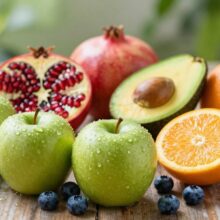
Fruits and berries rich in antioxidants, such as blueberries and cranberries, help combat oxidative stress in the liver. These foods are not only delicious but also provide essential nutrients.
Other antioxidant-rich foods include oranges, grapes, and pomegranates, which can be easily added to your daily meals to support liver health.
Lifestyle Changes for Sustainable Liver Health
Adopting a healthier lifestyle is crucial for reversing fatty liver disease and achieving sustainable liver health. This involves a combination of dietary changes, increased physical activity, and other lifestyle modifications that support liver function and overall well-being.
Weight Management
Maintaining a healthy weight is essential for managing fatty liver disease. Excess weight, particularly around the abdominal area, can lead to insulin resistance and increased liver fat. Aiming for a gradual weight loss of 1-2 pounds per week through a combination of diet and exercise can help reduce liver inflammation and improve overall health.
A study published in the Journal of Clinical Gastroenterology found that a 5-10% reduction in body weight significantly improved liver health in patients with non-alcoholic fatty liver disease (NAFLD).
| Weight Loss Percentage | Impact on Liver Health |
|---|---|
| 5-10% | Significant improvement in liver health |
| 10-15% | Further reduction in liver inflammation |
Hydration and Detoxification
Adequate hydration is vital for liver function and overall health. Water helps to flush out toxins and waste products from the body, reducing the liver’s workload. Aim to drink at least 8-10 glasses of water per day, and consider increasing your intake if you’re physically active or live in a hot climate.
Reducing Alcohol Consumption
Reducing or eliminating alcohol consumption is crucial for liver health. Alcohol can exacerbate liver damage and hinder the recovery process. For those who find it challenging to quit drinking entirely, reducing the amount and frequency of alcohol consumption can help mitigate its negative effects.
Tips for reducing alcohol consumption:
- Set a limit on the number of drinks per week
- Avoid drinking alone or when stressed
- Find alternative beverages, such as sparkling water or herbal tea
Effective Exercises for Fatty Liver Management
Exercise plays a significant role in reversing fatty liver naturally. Regular physical activity not only burns fat but also improves insulin sensitivity, reducing the risk of liver damage. By incorporating a mix of aerobic exercises and strength training into your routine, you can significantly improve liver function and overall health.
Aerobic Activities for Fat Burning
Aerobic exercises are effective for burning fat, including the fat accumulated in the liver. Activities such as brisk walking, jogging, cycling, and swimming are excellent options. These exercises help increase your heart rate and improve cardiovascular health, contributing to a reduction in liver fat.
Aim for at least 150 minutes of moderate-intensity aerobic exercise per week. You can break this down into manageable sessions, such as 30 minutes per day, five days a week. Incorporating high-intensity interval training (HIIT) can also be beneficial, as it has been shown to be effective in reducing liver fat.
Strength Training to Improve Metabolic Health
Strength training is another crucial component of an exercise regimen for managing fatty liver disease. By building muscle mass, you can improve your metabolic health and increase your resting metabolic rate, helping your body burn more calories at rest. This can be particularly beneficial for reducing fat around the liver.
Focus on exercises that work multiple muscle groups at once, such as squats, lunges, and deadlifts. Aim to incorporate strength training exercises into your routine at least two times per week, targeting all major muscle groups.
Consistency and Frequency Recommendations
Consistency is key when it comes to exercising for fatty liver management. It’s essential to find a routine that you enjoy and can stick to in the long term. Aim for a combination of aerobic exercise and strength training, and try to be active most days of the week.
Start slowly and gradually increase the intensity and duration of your workouts as your fitness level improves. Remember, every bit counts, and even small increases in physical activity can make a significant difference in your liver health.
Natural Remedies and Supplements to Support Liver Function
Supporting liver function through natural remedies and targeted supplementation can be a crucial aspect of managing and reversing fatty liver disease. The liver plays a vital role in detoxification, metabolism, and the production of essential proteins, making its health paramount for overall well-being.
Several natural remedies and supplements have been studied for their potential benefits in supporting liver health. These include herbal extracts, vitamins, and other nutrients that may aid in liver regeneration and protection against further damage.
Milk Thistle and Its Protective Properties
Milk thistle, known scientifically as Silybum marianum, is one of the most widely recognized herbs for liver health. Its active compound, silymarin, is believed to have antioxidant and anti-inflammatory properties that protect liver cells from damage.
A study published in the Journal of Medicinal Food found that silymarin supplementation significantly improved liver function in patients with alcoholic liver disease. This suggests that milk thistle could be a valuable adjunct in the treatment of fatty liver disease.
The Potential of Turmeric and Curcumin
Turmeric, a spice commonly used in cooking, contains a compound called curcumin, which has potent anti-inflammatory and antioxidant properties. Curcumin has been studied for its potential to improve liver health by reducing inflammation and oxidative stress.
A clinical trial reported in the Journal of Clinical and Experimental Hepatology demonstrated that curcumin supplementation reduced liver fat and improved liver function in patients with non-alcoholic fatty liver disease (NAFLD).
| Supplement | Potential Benefits | Key Findings |
|---|---|---|
| Milk Thistle (Silymarin) | Antioxidant, anti-inflammatory, liver cell protection | Improved liver function in patients with alcoholic liver disease |
| Turmeric (Curcumin) | Anti-inflammatory, antioxidant, reduces liver fat | Reduced liver fat and improved liver function in NAFLD patients |
| Vitamin E | Antioxidant, protects against liver cell damage | Improved liver histology in NASH patients |
Vitamin E and Its Antioxidant Benefits
Vitamin E is a fat-soluble vitamin with powerful antioxidant properties. It has been studied for its potential to protect the liver from damage caused by oxidative stress, a key factor in the progression of fatty liver disease.
Research published in the New England Journal of Medicine found that Vitamin E supplementation improved liver histology in patients with non-alcoholic steatohepatitis (NASH), a more aggressive form of NAFLD.

In conclusion, natural remedies and supplements such as milk thistle, turmeric, and Vitamin E may offer significant benefits in supporting liver health and managing fatty liver disease. It is essential to consult with a healthcare professional before adding any supplements to your regimen.
Managing Stress and Sleep for Liver Regeneration
A holistic approach to reversing fatty liver includes not only a healthy diet and regular exercise but also stress management and adequate sleep. The intricate balance between these factors plays a significant role in liver health and regeneration.
Cortisol and Liver Fat
The connection between cortisol, a hormone released in response to stress, and liver fat is well-documented. Elevated cortisol levels can lead to increased fat accumulation in the liver. Chronic stress can disrupt the body’s natural balance, leading to higher cortisol levels and, subsequently, more liver fat.
To manage cortisol levels, it’s essential to adopt stress-reducing practices. Techniques such as meditation, yoga, and deep breathing exercises can help mitigate the effects of stress on the body.
- Meditation: Regular practice can reduce cortisol levels and improve overall well-being.
- Yoga: Combines physical movement with deep breathing techniques to reduce stress.
- Deep Breathing Exercises: Simple yet effective in lowering cortisol levels.
Optimizing Sleep for Metabolic Repair
Quality sleep is crucial for metabolic repair and liver regeneration. Poor sleep can disrupt the body’s natural processes, leading to increased inflammation and liver damage. To optimize sleep quality, consider the following strategies:
- Establish a consistent sleep schedule.
- Create a sleep-conducive environment.
- Avoid screens and stimulating activities before bedtime.
As noted by sleep experts, “Sleep is a critical component of overall health, and its importance cannot be overstated when it comes to liver health and regeneration.”
“Sleep is the golden chain that ties health and our bodies together.”
Thomas Dekker
Mindfulness Practices to Reduce Inflammation
Mindfulness practices, including meditation and yoga, have been shown to reduce inflammation, a key factor in liver damage. By incorporating these practices into your daily routine, you can help reduce inflammation and promote liver health.
Some effective mindfulness practices include:
- Mindful breathing exercises.
- Body scan meditation.
- Mindful walking.
By managing stress, optimizing sleep, and practicing mindfulness, you can take significant steps towards reversing fatty liver disease and promoting overall liver health.
Common Pitfalls to Avoid During Your Recovery Journey
The path to fatty liver reversal is often fraught with challenges, and being aware of the potential pitfalls can help you stay on track. Reversing fatty liver naturally requires a multifaceted approach that includes dietary changes, lifestyle modifications, and awareness of potential obstacles.
One of the significant challenges individuals face during their recovery journey is adopting unsustainable or unhealthy practices. Being informed about these common pitfalls can significantly enhance your chances of successful fatty liver reversal.
The Danger of Fad Diets
Fad diets are often appealing due to their promise of quick results. However, they can be detrimental to overall health and specifically to liver recovery. These diets usually restrict certain food groups, leading to nutrient deficiencies that can exacerbate liver damage.
Crash diets can cause more harm than good by depriving the body of essential nutrients necessary for liver repair and overall well-being. Instead of opting for fad diets, focus on making sustainable dietary changes that promote long-term health.
Hidden Toxins in Processed Foods
Processed foods are a common part of many diets, but they often contain hidden toxins such as preservatives, artificial flavorings, and unhealthy fats. These substances can not only hinder liver recovery but also contribute to further liver damage.
To avoid these toxins, it’s essential to read food labels carefully and opt for whole, unprocessed foods as much as possible. Choosing organic produce and products with minimal ingredients can significantly reduce your exposure to harmful substances.
Ignoring Underlying Metabolic Conditions
Underlying metabolic conditions such as insulin resistance, diabetes, and metabolic syndrome can significantly impact liver health. Ignoring these conditions can hinder the recovery process and even lead to further liver damage.
| Metabolic Condition | Impact on Liver Health | Recommended Action |
|---|---|---|
| Insulin Resistance | Increases liver fat accumulation | Improve insulin sensitivity through diet and exercise |
| Diabetes | Can lead to more severe liver damage | Manage blood sugar levels through medication and lifestyle changes |
| Metabolic Syndrome | Contributes to inflammation and liver damage | Adopt a comprehensive lifestyle change including diet, exercise, and stress management |
Addressing these underlying conditions is crucial for successful fatty liver reversal. Working with a healthcare professional to diagnose and manage these conditions can significantly improve your recovery outcomes.

Monitoring Your Progress and Working with Healthcare Professionals
Collaborating with healthcare professionals is crucial for understanding your liver health and devising a personalized plan for improvement. This partnership is vital for effectively managing and reversing fatty liver disease.
Liver Function Tests Explained
Liver function tests (LFTs) are blood tests used to assess the state of your liver health. These tests measure various enzymes and proteins that indicate liver damage or disease.
Key components of LFTs include:
- Alanine transaminase (ALT)
- Aspartate transaminase (AST)
- Alkaline phosphatase (ALP)
- Bilirubin levels
Understanding these test results helps healthcare providers tailor fatty liver treatment plans to individual needs.
| Liver Test | Normal Range | What it Indicates |
|---|---|---|
| ALT | 0-40 U/L | Liver cell damage |
| AST | 0-40 U/L | Liver cell damage, also found in muscles |
| ALP | 30-120 U/L | Bile duct obstruction or liver disease |
When to Seek Specialized Medical Advice
If you’re experiencing persistent symptoms or if your LFTs indicate abnormal liver function, it’s crucial to seek advice from a specialist. A healthcare professional can provide guidance on the next steps and adjust your treatment plan as necessary.
Setting Realistic Milestones for Reversal
Reversing fatty liver disease is a gradual process. Setting achievable milestones helps track progress and stay motivated. Realistic goals might include:
- Weight loss targets
- Improvements in LFT results
- Increased physical activity levels
Regular check-ins with healthcare providers ensure that your plan remains on track and adjustments are made as needed.
Conclusion
Reversing fatty liver disease requires a comprehensive approach that incorporates dietary changes, lifestyle modifications, and natural remedies. By understanding the mechanics of fatty liver disease and making informed choices, individuals can take the first step towards improving their liver health.
By adopting a balanced diet rich in whole foods, healthy fats, and lean proteins, individuals can improve insulin sensitivity and reduce liver inflammation. Regular exercise, stress management, and adequate sleep also play a crucial role in supporting liver function and overall well-being.
Learning how to reverse fatty liver naturally is a journey that requires commitment and patience. By working with healthcare professionals and making sustainable lifestyle changes, individuals can achieve significant improvements in their liver health and overall quality of life.
FAQ
How to reverse fatty liver naturally through everyday habits?
Achieving fatty liver reversal naturally involves a combination of weight management and metabolic repair. The American Liver Foundation suggests that losing just 5% to 10% of your body weight can significantly reduce liver fat and inflammation. By prioritizing fatty liver lifestyle changes—such as consistent movement and a diet low in processed sugars—you can effectively improve liver function and kickstart the healing process.
What is the most effective fatty liver diet for long-term recovery?
A successful fatty liver diet focuses on high-fiber vegetables, lean proteins, and healthy fats while eliminating high-fructose corn syrup and refined grains. Many experts recommend a Mediterranean-style eating plan, which emphasizes foods for fatty liver like olive oil, fatty fish, and leafy greens. Focusing on fatty liver nutrition means swapping sugary sodas like Pepsi for water or green tea to reduce the metabolic load on your liver.
Are there specific exercises for fatty liver that yield the best results?
Yes, managing fatty liver through diet and exercise is most effective when you combine aerobic activities with resistance training. Aerobic exercises, such as brisk walking or cycling, help burn fat, while strength training—using equipment from brands like Rogue Fitness—improves insulin sensitivity. Aim for at least 150 minutes of moderate-intensity activity per week to maximize fatty liver reversal tips.
Can natural remedies for fatty liver actually replace medical treatment?
While natural remedies for fatty liver are powerful supports, they should complement a doctor’s fatty liver treatment plan. Supplements like Milk Thistle (silymarin) and Nordic Naturals Omega-3s have shown promise in reducing liver enzymes and inflammation. However, always consult with a specialist at an institution like the Mayo Clinic before starting a new supplement regimen to ensure it aligns with your specific health needs.
How does liver detoxification work during the reversal process?
True liver detoxification isn’t about “cleanses” or “juice fasts” from brands like Pressed Juicery; it is about providing the liver with the nutrients it needs to perform its natural filtering functions. By consuming cruciferous vegetables (like broccoli and kale) and staying hydrated, you support the Phase I and Phase II detoxification pathways. This helps reverse liver damage by reducing the accumulation of toxins and fat in liver cells.
What are the best fatty liver reversal tips for someone with a busy schedule?
Focus on “small wins” that impact liver health tips. For instance, practice meal prepping to avoid the temptation of fast food like McDonald’s, which is often high in trans fats. Additionally, prioritize sleep quality; research shows that poor sleep can increase cortisol levels, leading to more fat storage in the midsection and liver. Using a tracker like a Fitbit or Apple Watch can help you monitor both your activity and sleep patterns.
Is it possible to completely reverse liver damage if I have NAFLD?
In many cases, yes. If caught in the early stages—known as simple fatty liver—the condition is highly reversible. Even if it has progressed to Nonalcoholic Steatohepatitis (NASH), aggressive fatty liver lifestyle changes can stop progression and potentially reverse liver damage. The key is early intervention and consistent monitoring of liver enzymes through blood tests like the ALT and AST panels.
Why is insulin sensitivity so important for fatty liver nutrition?
A: Insulin resistance is a primary driver of fat accumulation in the liver. When your body doesn’t respond well to insulin, it stores more fat in the liver cells. By following a fatty liver diet low in glycemic-index foods and staying active, you improve how your body processes glucose. This shift is essential for fatty liver reversal, as it signals the body to start using stored liver fat for energy instead of adding to it.